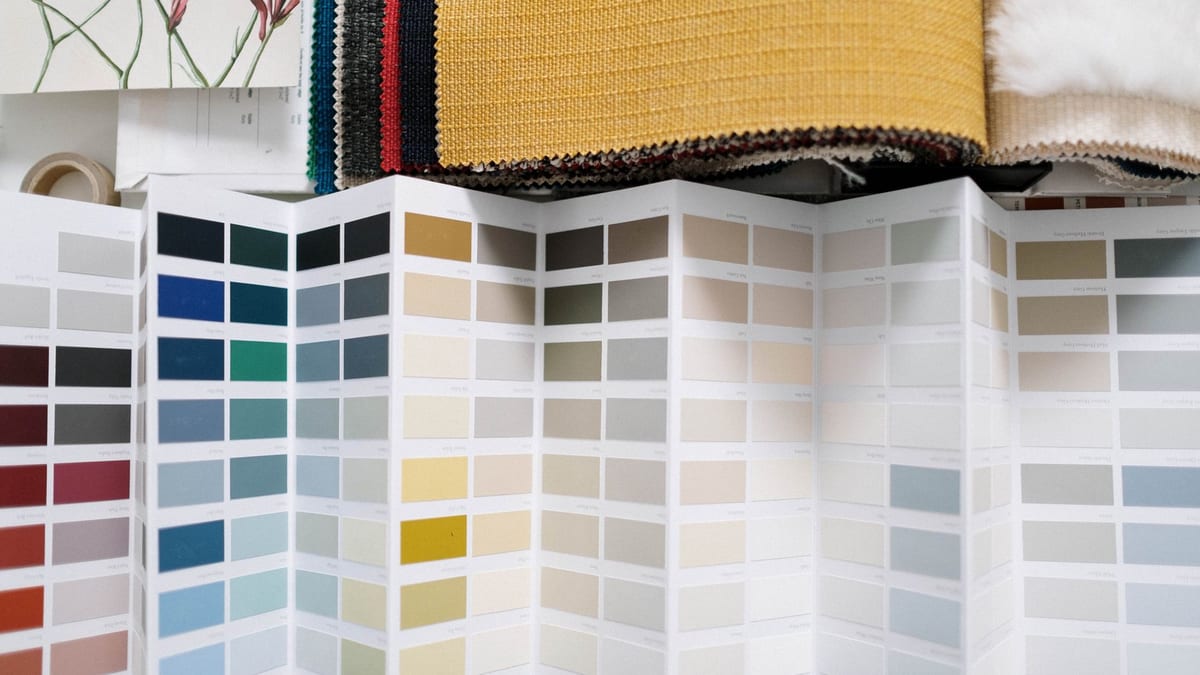
Nobody cancels a contract because a t-shirt was the wrong colour. They cancel because the third year’s stock does not match the first year’s, the client noticed before they did, and there is no good explanation.
Shade drift is slow, cumulative and almost entirely preventable. Here is how it happens and what to ask.
What a lab dip is
Before bulk fabric is dyed, the dyehouse produces a small swatch in the target shade — a lab dip — and you approve or reject it against your reference. That reference might be a Pantone number, a physical swatch you sent, or a garment from a previous season.
Approval matters more than people treat it. That swatch becomes the standard the bulk is measured against, so:
- Approve a physical swatch, not a photograph. Screens lie, and lighting lies more.
- Look at it under more than one light source. A pair that matches under shop lighting and diverges in daylight is called metamerism, and it is a real and common trap.
- Keep your copy. Signed, dated, filed. If bulk arrives off, a physical reference ends the argument in a way an email thread does not.
The question that decides everything
When you place a repeat order, ask exactly this:
Do you match this against the original approved lab dip, or against the last batch you produced?
The second answer sounds reasonable and is a slow disaster.
Each dye lot has a small acceptable variation from its reference. If the reference is the last batch, the variation compounds — batch two is a fraction off batch one, batch three is a fraction off batch two, and none of them individually fails. Three or four seasons in, the newest stock visibly does not match garments already in the field.
If the reference is always the original approved dip, each batch is measured against a fixed point. Errors do not accumulate. That is the whole mechanism, and it costs nothing to get right — it just has to be somebody’s stated policy before the first order rather than a question after the fourth.
Why some variation is unavoidable
Being straight about this: nobody can promise identical colour across dye lots. The variables are real.
| Variable | Why it moves the shade |
|---|---|
| Yarn lot | Cotton takes dye slightly differently batch to batch |
| Dye lot | Chemistry and water conditions vary |
| Fabric weight | The same recipe reads differently on 180 and 220 GSM |
| Finishing | Bio-wash, compacting and heat setting all shift the final shade |
| Blend ratio | Polyester and cotton take different dyes; the ratio changes the result |
The correct response is not a promise of perfection. It is a written tolerance — an agreed acceptable deviation — plus a fixed reference point. A supplier who guarantees an exact match with no tolerance is either inexperienced or not being straight with you.
What to put in writing before the first order
Five lines, and they prevent almost every version of this problem:
- The reference: Pantone number and a physical approved lab dip, both on file
- That repeats are matched against the original dip, not the last batch
- An agreed tolerance
- Which light source is the standard for assessment
- That lab dips are re-approved if the fabric weight, blend or finishing changes
The last one catches people. Moving a corporate polo from 200 to 220 GSM, or from 100% cotton to a blend, changes the shade even if the dye recipe is untouched. Shade is also one of the things a pre-shipment inspector checks against the approved reference, so it is worth knowing how an AQL inspection treats it before you agree the terms. Fibre and weight are separate decisions and both affect colour.
Where it bites hardest
Corporate and uniform programmes. A client whose staff wear the garment daily will notice a mismatch between last year’s intake and this year’s, and it becomes your problem rather than the factory’s.
Multi-style ranges in one colour. A tee, a polo and a hoodie in “the same” navy are three different fabrics — single jersey, pique and fleece — taking dye differently. They need matching to each other, not just to the Pantone, and that has to be asked for.
Anything with a long shelf life. Stock sitting in a warehouse for a season is being compared against new production the moment it comes out.
The commercial case
Getting this right costs almost nothing — it is a process decision, not a materials one. Getting it wrong costs a contract, and usually the contract that took longest to win.
It also sits close to the other failures that show up after delivery rather than at inspection. What actually fails at the tenth wash is the same category of problem: invisible on the sample, decisive on the relationship.
If you are still choosing a supplier, this belongs on the list of questions — the wider guide to sourcing from India has the rest of them.
We shade-match against your Pantone or a physical swatch at a dedicated processing house we have used for years, approve every lab dip ourselves, keep them on file, and match repeat production against the original approval rather than the last batch — which is why our uniform and corporate buyers stay. Ask us about a repeat programme, or start with a first order and check the second one against it.
Keep reading
AQL inspection explained for first-time importers
What an AQL inspection actually checks, what the numbers mean, when to book one, and why a factory that welcomes a third-party inspector has told you something useful.
Clothing manufacturers in India: a buyer's guide to sourcing, MOQs and lead times
What it actually takes to get garments made in India — how to tell a factory from an agent, what minimums and lead times are realistic, and what a private label programme involves.
How to vet a T-shirt manufacturer in India before you place an order
Nine checks that separate an actual factory from a trading office with a good website — written by a manufacturer who would rather you asked.