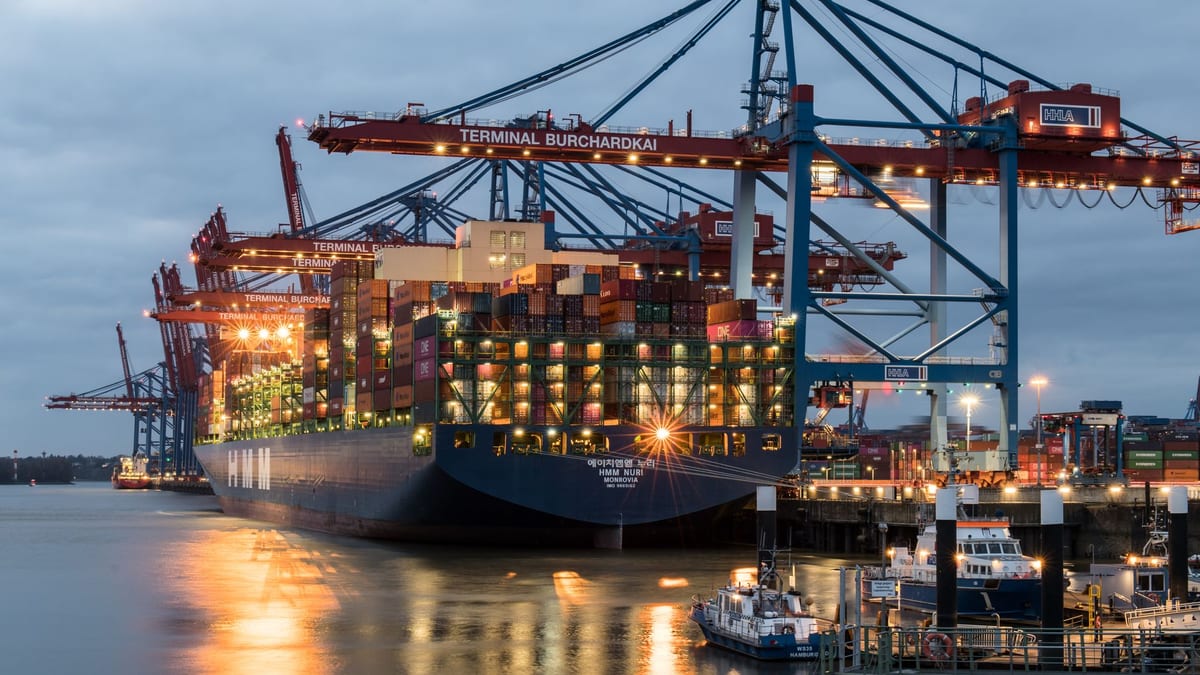
Two quotes, one at $4.10 and one at $5.60, and the cheaper one is not cheaper — it is quoted on different terms. This is the most common way a first-time apparel importer compares numbers that are not comparable.
Incoterms are the shorthand for who does what. Here is what the ones you will actually meet mean in practice.
What Incoterms actually split
Four things, and every term divides them at a different point:
| Who arranges it | Who pays | |
|---|---|---|
| Inland transport in the origin country | ||
| Export clearance and loading | ||
| Ocean or air freight | ||
| Insurance | ||
| Import clearance and duty | ||
| Delivery to your door |
The term you agree fills in that table. It also decides where risk transfers — the point at which a loss stops being the seller’s problem and starts being yours — which is a separate question from who pays for what, and the one people forget.
Incoterms are revised periodically and the detail matters. Treat everything below as the working shape rather than the rule. Confirm the current version and your specific obligations with your freight forwarder or customs broker before you sign anything.
The three you will actually be offered
FOB — Free On Board. The factory delivers the goods to the named port of loading and handles export clearance. From that point the freight, insurance, import clearance and duty are yours, arranged through your own forwarder.
This is the default in apparel, and it is the default for a good reason: it gives you control of the freight leg, visibility of what it actually costs, and a direct relationship with a forwarder who works for you rather than for the factory.
CIF — Cost, Insurance and Freight. The seller arranges and pays the main carriage and insurance to the destination port. You still handle import clearance, duty and delivery from the port.
Convenient, but the freight cost is inside a number you cannot see, and the forwarder is the seller’s. Destination charges can also arrive as a surprise.
DDP — Delivered Duty Paid. The seller handles everything to your nominated address, including import clearance and duty.
It is the simplest possible arrangement for the buyer and the most expensive to get wrong. Import clearance in your own country requires someone who can legally act as importer there, and duty is being estimated by a party who does not carry your compliance risk.
Which to choose, honestly
Start on FOB if you can. You learn what freight actually costs, you build a relationship with a forwarder, and you keep control. The cost is that you have to organise something you have not organised before — which a forwarder will walk you through.
DDP is reasonable for a first small order if you have no forwarder and want a single number to evaluate. Just understand you are paying a margin for the convenience and you cannot see the split.
CIF is the one we would usually skip. It buys you less control than FOB without the completeness of DDP.
We quote FOB by default and can arrange CIF or DDP through our freight partners. That is not a preference for our sake — FOB is simply the term that leaves you best informed.
Normalising quotes
Before comparing two suppliers, get both on the same term. If one quotes FOB Tuticorin and the other DDP Los Angeles, the difference includes ocean freight, insurance, port charges, customs brokerage and duty — none of which is a comment on the garment.
Ask each supplier for the same term, and separately ask your forwarder to quote the freight leg. Then you can see which part of the gap is the garment and which is the logistics.
That is the same discipline as normalising fabric specification before comparing price — two quotes at different GSM are two different garments, and two quotes on different Incoterms are two different transactions.
Duty is yours, whichever term you pick
Even on DDP, the tariff classification and the duty consequences ultimately attach to you as the importer. Cotton knitwear generally falls under HTS Chapter 61, but classification and rates are a customs broker’s call and trade policy moves.
Get your landed cost from your broker before you set a retail price. No factory can give it to you, and any that offers a confident number is guessing with your money.
What the factory must supply regardless of term
Commercial invoice, packing list, bill of lading and certificate of origin, prepared alongside the shipment rather than chased afterwards. Your broker needs all four to clear the goods, and a missing document is demurrage.
Then the port decision — East Coast or West Coast changes transit time, inland freight and which of your DCs the container should feed.
If you are earlier than this and still choosing who to make the goods, that sequence comes first.
We quote FOB from Tuticorin, Chennai or Cochin by default, with CIF and DDP available through our freight partners, and prepare the full document set alongside every shipment. We supply importers and brands across the United States from 300 pieces per style per colour — tell us your destination and we will quote against the term your forwarder prefers.
Keep reading
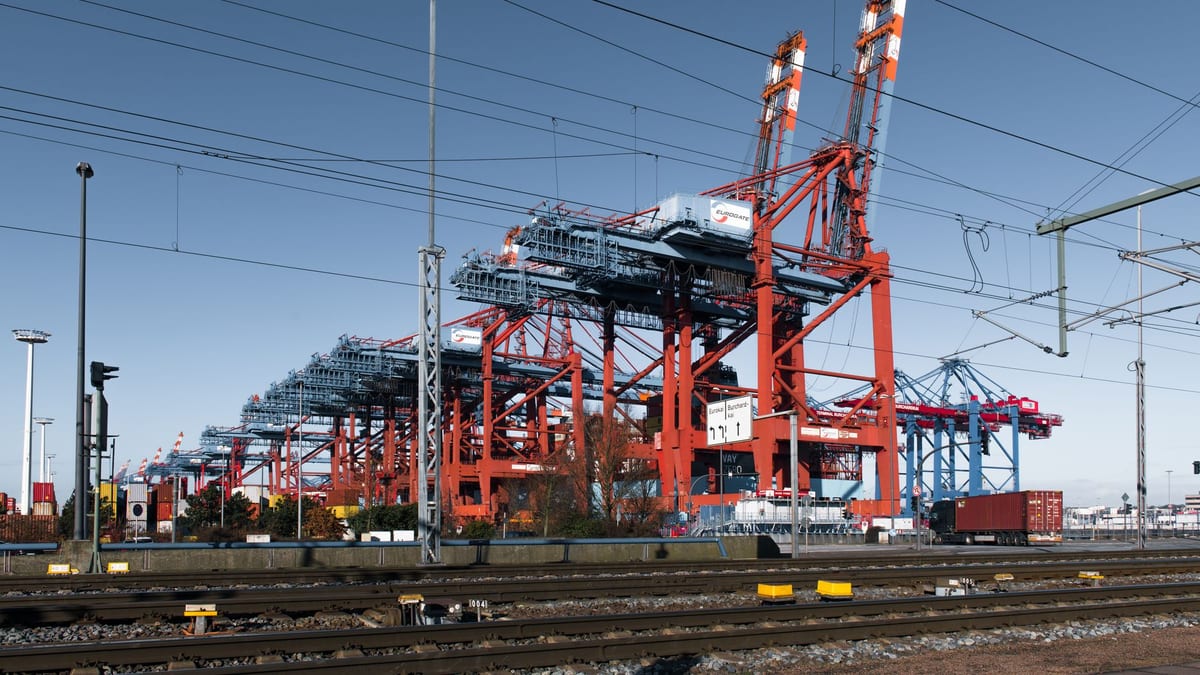
East Coast or West Coast: picking your port for Indian apparel
From South India the East Coast is usually the shorter route, which is the opposite of the Far East pattern most US importers are used to. What decides the choice, and what to check before you nominate.
How to find a clothing manufacturer (without getting burned)
The order of operations that works: define the garment, shortlist factories, verify them, sample, then place a small first order. Written by a factory, including the parts that are not flattering to us.
What a 300-piece minimum actually costs you
The arithmetic behind a low MOQ clothing manufacturer — what 300 pieces per style per colour really commits you to, what it buys that blanks do not, and when a lower minimum is a warning sign.