Most US brands that get burned sourcing overseas did not pick a bad factory. They picked somebody who was never a factory, and found out four months later when the goods arrived wrong and nobody could explain why.
Here is the order of operations that avoids that. We manufacture in India, so we have an obvious interest in some of this — the parts where our interest and yours diverge are marked.
Step 1: define the garment before you look for anyone
You cannot compare quotes for a brief that does not exist. Before you contact anybody, write down:
- The garment type and fit — crew tee, polo, hoodie, or an oversized block, which has its own fabric requirements
- Fabric and weight — combed or carded cotton, and the GSM range
- Sizes and the size chart you are grading to
- Decoration — method, number of positions, number of colours
- Labels, tags and packaging
- Quantity per style per colour, and your delivery date
That last one catches people. Minimums are per colour, so one style in four colours is four minimums.
If you do not know what GSM to specify, decide it before you ask for pricing rather than after — what the number means and what it hides is the fastest way to get to a defensible spec.
Step 2: build a shortlist from more than one channel
There is no single good source, so use several and expect most names to fail verification:
| Channel | Good for | Watch out for |
|---|---|---|
| Trade shows (MAGIC, Sourcing at MAGIC, Texworld) | Meeting people in person | Booths are often agents |
| Alibaba, IndiaMART, Global Sources | Volume of options | Every listing says “manufacturer” |
| Export promotion council directories | Verified exporters | Verified as exporters, not as factories |
| Referrals from non-competing brands | Highest hit rate by far | Only works if you ask |
| Sourcing agents | Speed, multiple product types | You are one step further from the floor |
Referrals are worth more than the rest combined. Brands are usually willing to name their factory if you are not selling into their category.
Step 3: work out whether they actually manufacture
This is the step that matters and the one most people skip.
Ask which production stages happen inside their building — knitting, dyeing, cutting, stitching, printing, packing. A factory answers immediately and tells you which parts they subcontract. An agent answers “we handle everything,” which sounds better and means less.
Then ask for a live video walkthrough on short notice, not a scheduled one a week out. Watch whether the person holding the phone knows the floor.
There is a longer list of checks worth working through before money moves, including the registration numbers you can verify online in two minutes.
Where our interest and yours diverge: we would rather you asked us these questions than asked a competitor. But the honest version is that plenty of good garments come out of well-run agent relationships. The problem is not agents — it is not knowing which one you have.
Step 4: get quotes you can actually compare
Send the same brief to everyone and insist on the same spec back. If one factory quotes 180 GSM and another 160 GSM, the second is not cheaper — it is a different shirt.
Ask each quote to break out:
- Garment cost per piece at your quantity
- Decoration, per position
- Labels, tags, polybag and carton marking
- Sampling cost, and whether it is credited against bulk
- The Incoterm — FOB, CIF or DDP — because a “cheaper” price on different terms is not cheaper
A US importer’s landed cost also includes duty, and no factory can tell you what that will be. Cotton knitwear generally falls under HTS Chapter 61, but classification and rates are your customs broker’s call, and trade policy moves. Get that number from them before you commit to a retail price.
Step 5: sample, then wash the sample
A pre-production sample against your tech pack typically takes 20–40 days. It tells you what photographs cannot: how the fabric feels, whether the fit is right, whether the print sits where you drew it.
Then wash it five times. Every failure that ends a brand — collar stretch, shrinkage, pilling, cracked print — shows up at the tenth wash, not on arrival. A sample examined new looks identical whether it was made with combed or carded yarn.
Get a signed sealed sample and a written tolerance before bulk. “It should match the sample” is not a specification.
Step 6: place a small first order
Three hundred pieces of one style teaches you more than any amount of research: whether the bulk matched the sample, whether the ship date held, whether the packing was right, and — most usefully — how they behaved when something went slightly wrong, which it will.
Any supplier who resists a trial order or prices it punitively has told you something. What a 300-piece minimum actually commits you to is less than most buyers assume, and the numbers behind ours are published rather than quoted on request.
What to expect on timing
| Step | Typical |
|---|---|
| Quote against a tech pack | 1–2 working days |
| Pre-production sample | 20–40 days |
| Your approval rounds | usually the longest step |
| Bulk production | 30–45 days after sample approval |
| Sea freight, India to US East Coast | 28–35 days |
| Sea freight, India to US West Coast | 30–38 days |
Add it up honestly. A first order placed in January is an April or May delivery, and pretending otherwise is how brands miss a season.
- What a 300-piece minimum actually costs you
- Alibaba alternatives: telling a factory from an agent
- Streetwear manufacturing: why oversized blocks need heavier fabric
- How clothes are actually manufactured, start to finish
- Where clothes are manufactured, and why it moved
- FTC labelling for imported apparel, in plain English
- CPSIA and children’s clothing: what US importers must check
- FOB or DDP? Choosing terms for your first apparel import
- East Coast or West Coast: picking your port
To answer step three on ourselves: we cut, stitch, finish and pack in our own unit in Tirupur, and knitting, dyeing and embroidery go to partner units we specify and inspect. We ship to importers, brands and uniform distributors across the United States. If you want to run the checks above on us — a video walkthrough, an inspection, a small trial order — send us a brief and we will come back with a quote and a lead time we can hold.
Keep reading
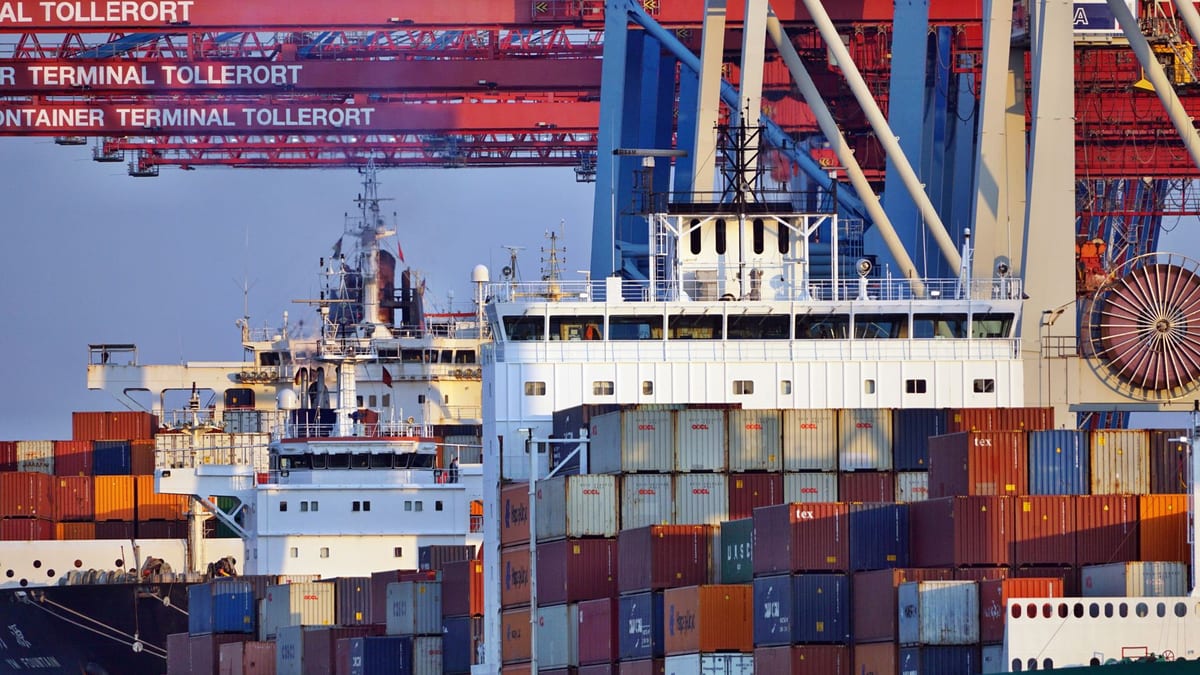
Alibaba alternatives: telling a factory from an agent
Every listing says manufacturer. Here is how to work out which supplier on Alibaba, IndiaMART or a trade show floor actually owns machinery — and where else to look.
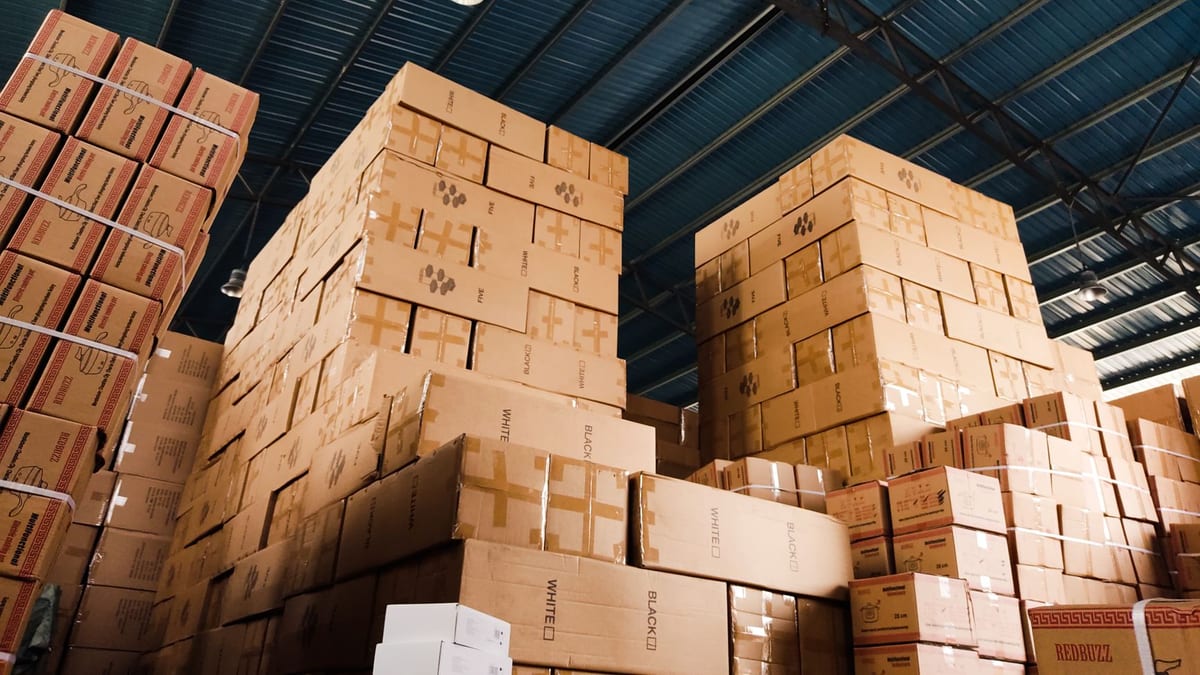
Where clothes are manufactured, and why it moved
Apparel production has relocated roughly every generation, and it is moving again. Which countries make what today, what actually drives the shift, and what it means for a buyer choosing now.
Choisir un fabricant de T-shirts en marque propre en Inde
Un guide pratique pour les marques françaises : cahier des charges, validation du prototype, partenaires de production et préparation de l’importation.